Day 1: Hanoi Arrival
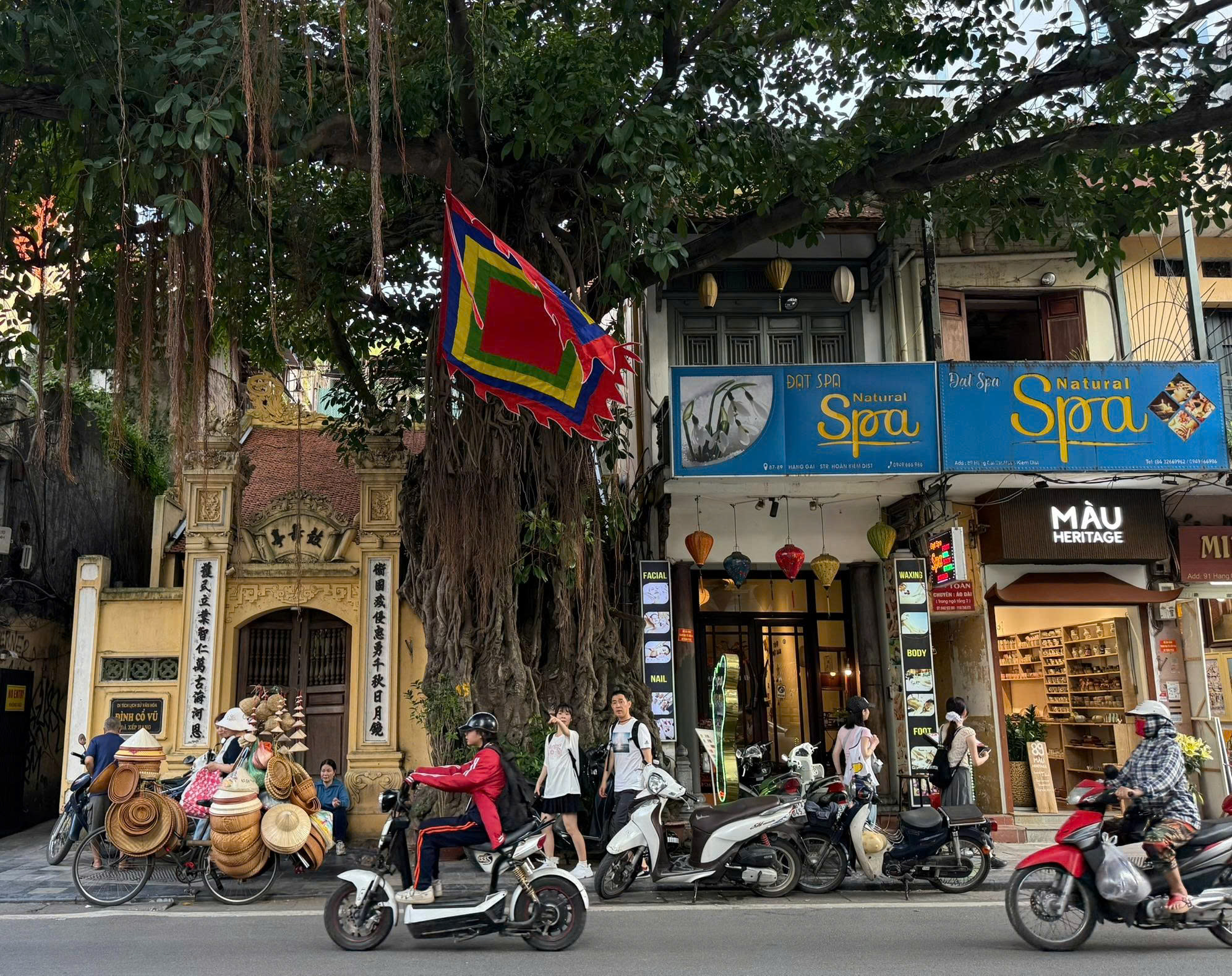
Only in Hanoi: a small street corner becomes a tapestry of colours — an ancient banyan tree draped over a temple gate, a hat seller resting on the step, lanterns swaying above the buzz of scooters and the clutter of tiny shops.
Xin chao! Welcome to Hanoi!
Upon arrival, your guide or driver will be waiting to transfer you to your hotel.
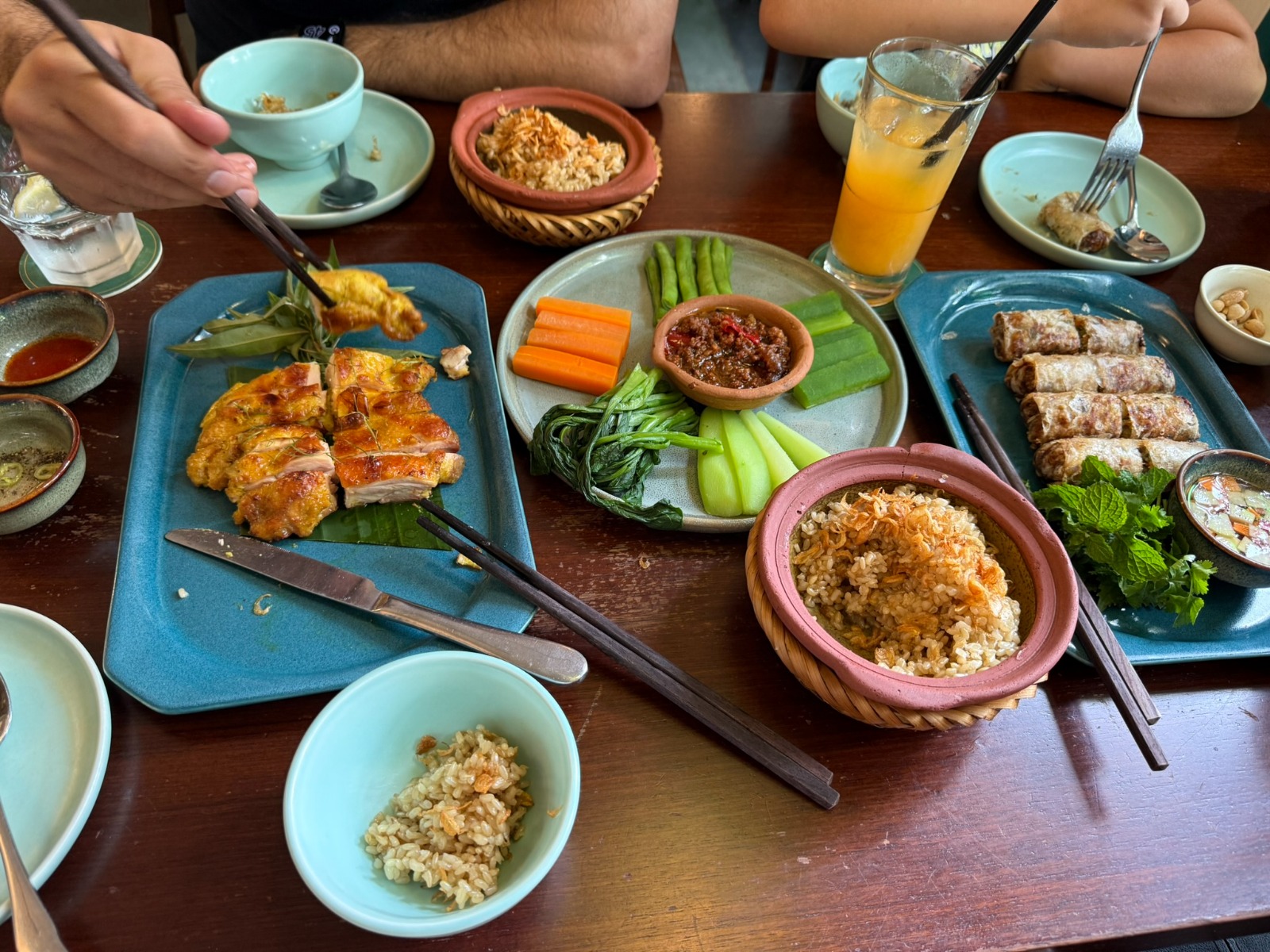
Vietnamese food needs no introduction — so why not explore your neighbourhood and settle in for a delicious meal after checking in?
The rest of the day is free for you to relax or explore - perhaps wandering through Hanoi’s Old Quarter, with its narrow streets, buzzing cafés, and endless little shops full of character.
Day 2: Hanoi city tour with cyclo ride

The Ho Chi Minh Mausoleum in Hanoi, a key national landmark.
Begin the morning with a visit to the Ho Chi Minh mausoleum and hear about the man who led Vietnam’s campaign for independence from French colonial rule. After dedicating his life to the liberation of his country from foreign rule, Ho Chi Minh died in 1969 and his body was preserved for posterity. Every October the mausoleum is closed for a month and Uncle Ho is given a bit of a spruce up! Then wander the grounds to see the one pillar pagoda and the presidential palace. Next,visit the 11th century relic, the Temple of Literature, which was built in homage to the Chinese scholar Confucius.
In the afternoon start with the Museum of Ethnology that is widely acknowledged as the best in the country, with an extensive display dedicated to Vietnam’s 54 ethnic minority people. Take a breezy cyclo ride through the Old Quarter’s 36 streets, named for the products that were sold from their shops. Today, vendors on Tin and Bamboo Streets still sell the same wares. Next, visit a traditional coffee house to sample Vietnamese egg coffee, where strong, dark coffee is topped with a creamy, lightly sweet egg foam — a much-loved Hanoi tradition
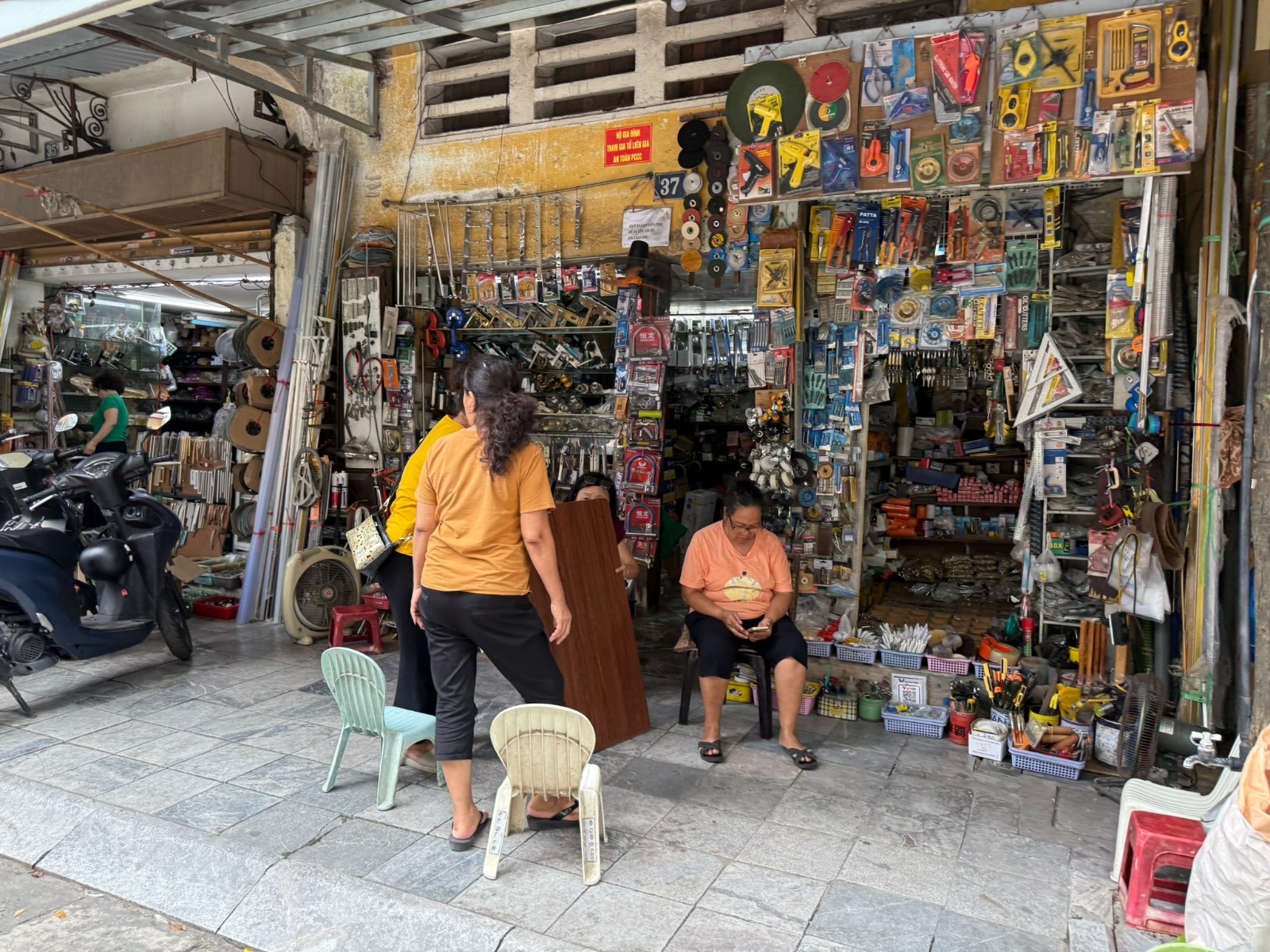
In the Old Quarter, each street is dedicated to a particular craft or trade. In Vietnam we say “buôn có bạn, bán có phường,” meaning “in business, you thrive with companions; in trade, you prosper within a guild.” The featured picture was taken on Hàng Bồ Street, now known for its hardware shops - packed with tools, from saws and wrenches to sandpaper, screws, and every small fix-it part imaginable.
Tip: If you're a history enthusiast, consider swapping the cooking class for a historical tour. Explore the Ho Chi Minh Complex, delve into the stories of the Hoa Lo Prison (known as "Hanoi Hilton"), and discover the ancient Imperial Citadel of Thang Long, built during the 11th century by the Vietnamese Ly Dynasty. Alternatively, extend your stay in Hanoi to ensure you don't miss out on any experiences.
Day 3: Hanoi to Ninh Binh - afternoon Van Long Nature Reserve
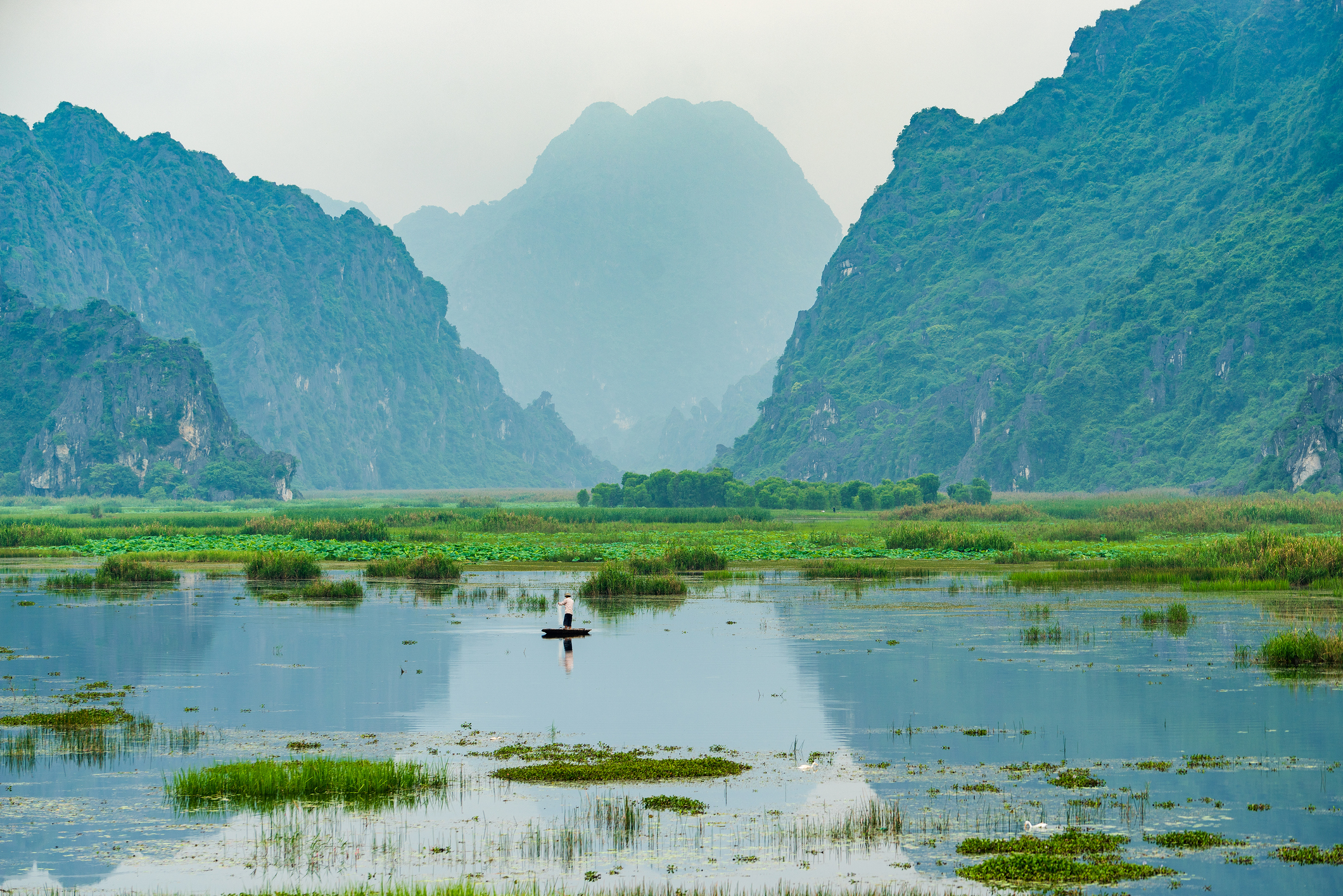
Van Long Nature Reserve in the early calm, with glassy water and limestone cliffs rising from the wetlands..
Today you’ll travel from Hanoi to Ninh Binh, a largely rural province often described as “Ha Long Bay on land”, known for its dramatic limestone karsts, rice paddies, and slow-moving waterways. This area was once home to Vietnam’s early capitals in the 10th century, and it still feels deeply connected to the countryside and traditional rhythms of life.
In the afternoon, you’ll visit Van Long Nature Reserve, the largest wetland nature reserve in the region and one of its quietest corners. The reserve is explored by small rowing boat, gliding through broad, still waters surrounded by reeds and sheer limestone cliffs. Van Long is known for its rich birdlife and calm atmosphere, and because motorboats are not allowed, the experience feels particularly peaceful — especially later in the day when the light softens and the wetlands settle into silence.
Tip: If you'd like to witness the mesmerizing golden rice paddies, consider visiting Ninh Binh in June.
Day 4: Tam Coc boat tour and Hoa Lu Temples

One of the highlights of Tam Coc is travelling by traditional sampan, gently rowed by foot.
In the morning, visit Tam Coc for a leisurely boat ride, gliding quietly along the river through emerald rice paddies and natural caves, as your local rower skilfully steers the sampan using their feet.
Continue on to the tranquil Bich Dong Pagoda, a series of atmospheric temples built into the mountainside and reached by shaded stone steps.
Enjoy a relaxed lunch before heading to the Hoa Lu Ancient Capital, where temples dedicated to Vietnam’s first emperors sit among limestone hills and open farmland. Finish the day with a gentle cycle through the surrounding countryside, passing quiet villages, waterways, and rice fields.
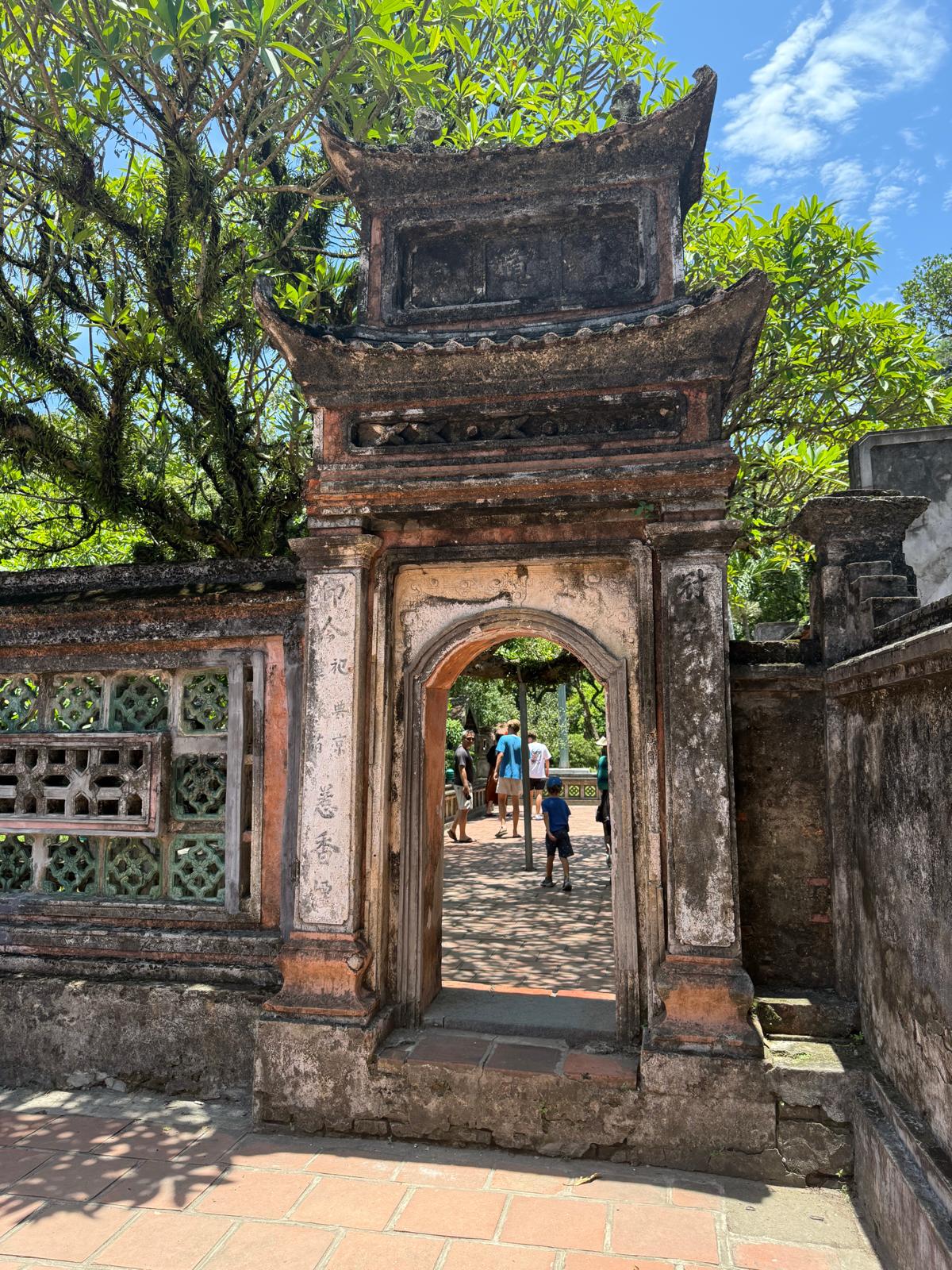
A temple gate at Đinh Tiên Hoàng Temple, honouring Đinh Tiên Hoàng, the 10th-century emperor who established Hoa Lu as Vietnam’s first capital.
Day 5: Ninh Binh - Ha Long Bay - Lan Ha Bay

Ha Long is synonymous with Vietnam — and for all the right reasons. Her ethereal beauty is truly a sight to behold.
Today depart for Halong Bay. Set off on your luxury cruise, where you’ll be pampered in style and comfort whilst meandering through the towering limestone cliffs and emerald green waters of Ha long Bay. Stop in Tra Bau, a secret hideaway in Lan Ha Bay that has beaches, caves and coves.
You can try kayaking or simply swim in the clear waters of the bay. Back to your boat, enjoy life aboard the vessel or in your suite, and with cocktail in hand watch the sunset over the Gulf of Tonkin. In late afternoon part in a professional cooking demonstration before indulging in a luxurious dinner in the dining hall.
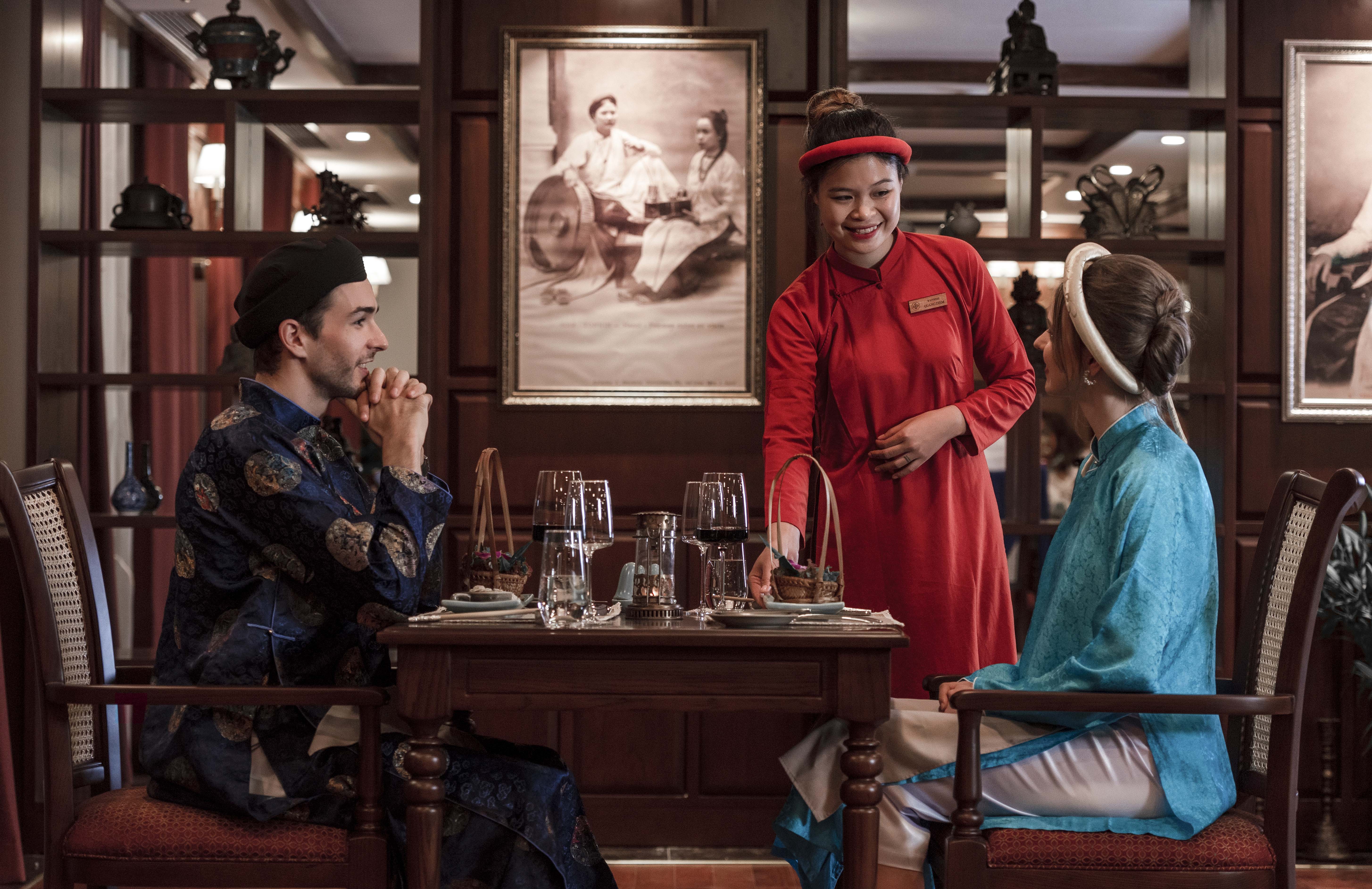
Dine like royalty at Le Tonkin Restaurant on Heritage Cruise.
lSpend the rest of the evening as you’d like: watch a movie in the dining area, relax on the deck with a cocktail, or go squid fishing under the cover of night.
Fact: Ha Long Bay experiences cool weather and clear skies from September to November. Mist rolls in from December to March, lending the bay an air of mystery. April and May bring sunny days and a refreshing breeze, while the monsoon season, occurring from June to August, can make visits unpredictable.
Day 6: Ha Long Bay - Hanoi - fly to Hue
.jpg)
See Ha Long up close with a bamboo boat — a gentle glide through towering karsts and quiet emerald waters.
Rise with the sun and practice Vivonam on the sundeck while taking in majestic views of the surrounding bay and the cool sea breeze. Wrap up your experience with a bamboo boat trip to visit Dark and Bright Cave before cruising back to Tuan Chau Marina. Your guide and driver will take you to Hanoi airport for your flight to Hue.
Upon arrival in Hue you will be taken to your hotel.
Day 7: Hue Full Day City Tour

Once the heart of the Nguyen emperors’ empire, Hue is a lasting symbol of Vietnam’s imperial history.
Start your tour with the ancient walled Citadel, which was closely modelled along the lines of the Forbidden City in Beijing. You then have a tour of Thien Mu pagoda, one of iconic sights in Hue and An Hien garden house. An Hien garden house contains many large and small architectures built according to the traditional architecture style of Vietnam in general and Hue in particular. The garden house is strongly influenced by fengshui. The main architecture of An Hien garden house is a 3-room 2-gable house with wooden structure and beautifully sculpted patterns. Over a century of existence, An Hien remains almost intact both in landscape and architecture.
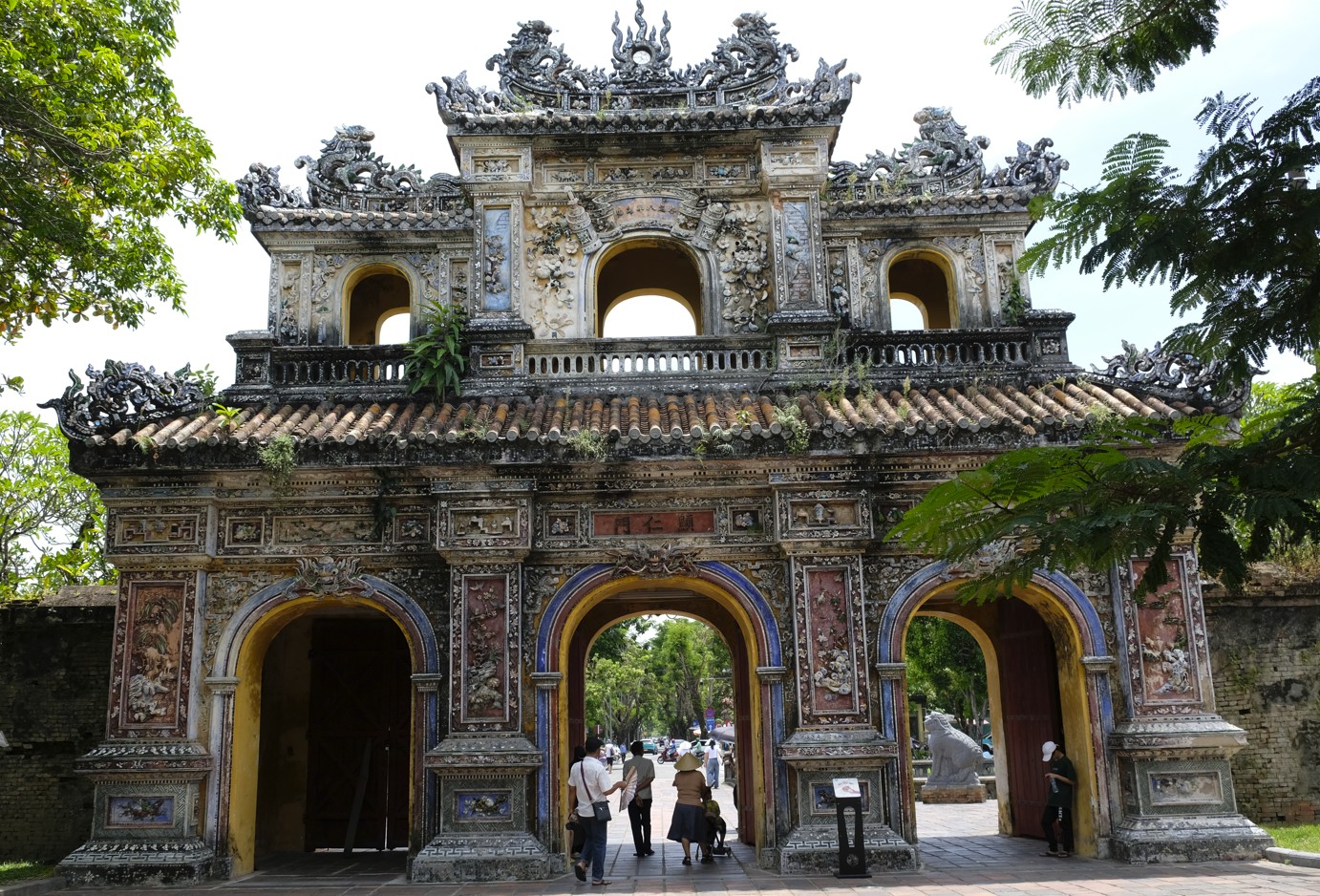
The Meridian Gate (Ngọ Môn) is the grand southern entrance to the Imperial City in Huế — an iconic symbol of Vietnam’s imperial past and the ceremonial gateway once reserved for emperors.
For lunch, explore the local street food scene is a must-do activity for travellers in Hue City. Sample the diverse flavours and aromas that make Hue's cuisine so special. From iconic dishes like Bun Bo Hue (spicy beef noodle soup) and banh bot loc, Banh Nam and Banh Beo (Hue royal cakes) to the fragrant com hen (clam rice) and Nem Lui (lemongrass skewers), there are endless culinary delights to savour. As you embark on your culinary journey, you'll also have the opportunity to learn about the cultural significance behind each dish. Many of the traditional recipes have been passed down through generations, offering a glimpse into the city's rich culinary heritage. Venture into the bustling streets, where local food vendors and stalls line the sidewalks, offering a wide array of flavours and textures.

A classic Hue specialty: Banh Nam — silky steamed rice cakes wrapped in fragrant banana leaves, best enjoyed with a light, savory dipping sauce.
In the afternoon visit Khai dinh tomb. Khai Dinh was the Nguyen Dynasty’s most eccentric and unusual king, who reportedly embraced French colonialism. Much like his father, Khai Dinh favored imported luxuries, spent huge sums of money on his tomb, and was the subject of ridicule by nationalist leaders.
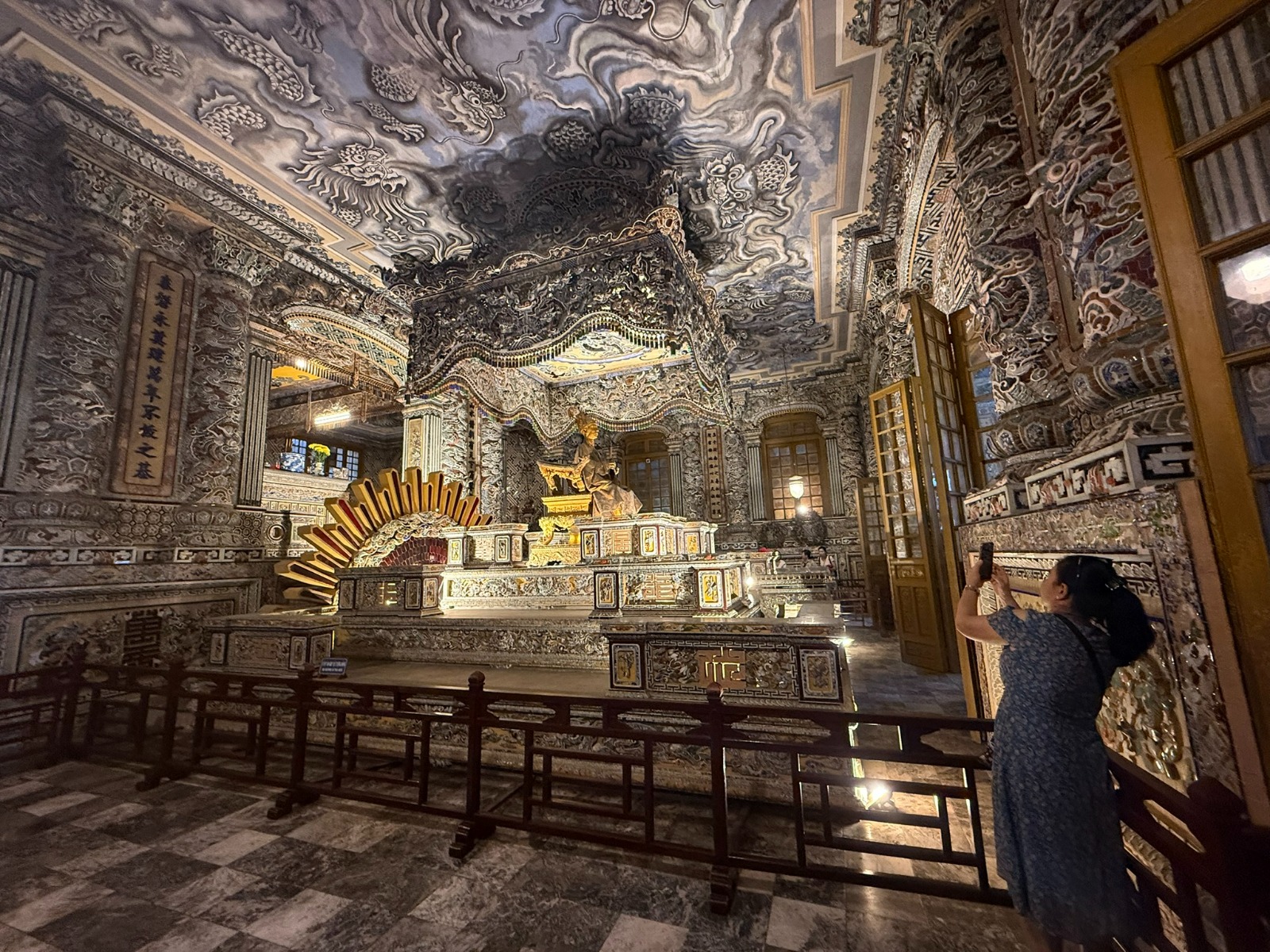
The magnificent Khai Dinh Tomb — a place where splendour knows no bounds. Here stands the most exquisite altar among all those built to honour the Nguyen emperors.
Tip: Did you know that Hue was once the former royal capital of Vietnam and is renowned as one of the country's most remarkable culinary destinations?
Day 8: Hue drive to Hoi An via Hai Van pass
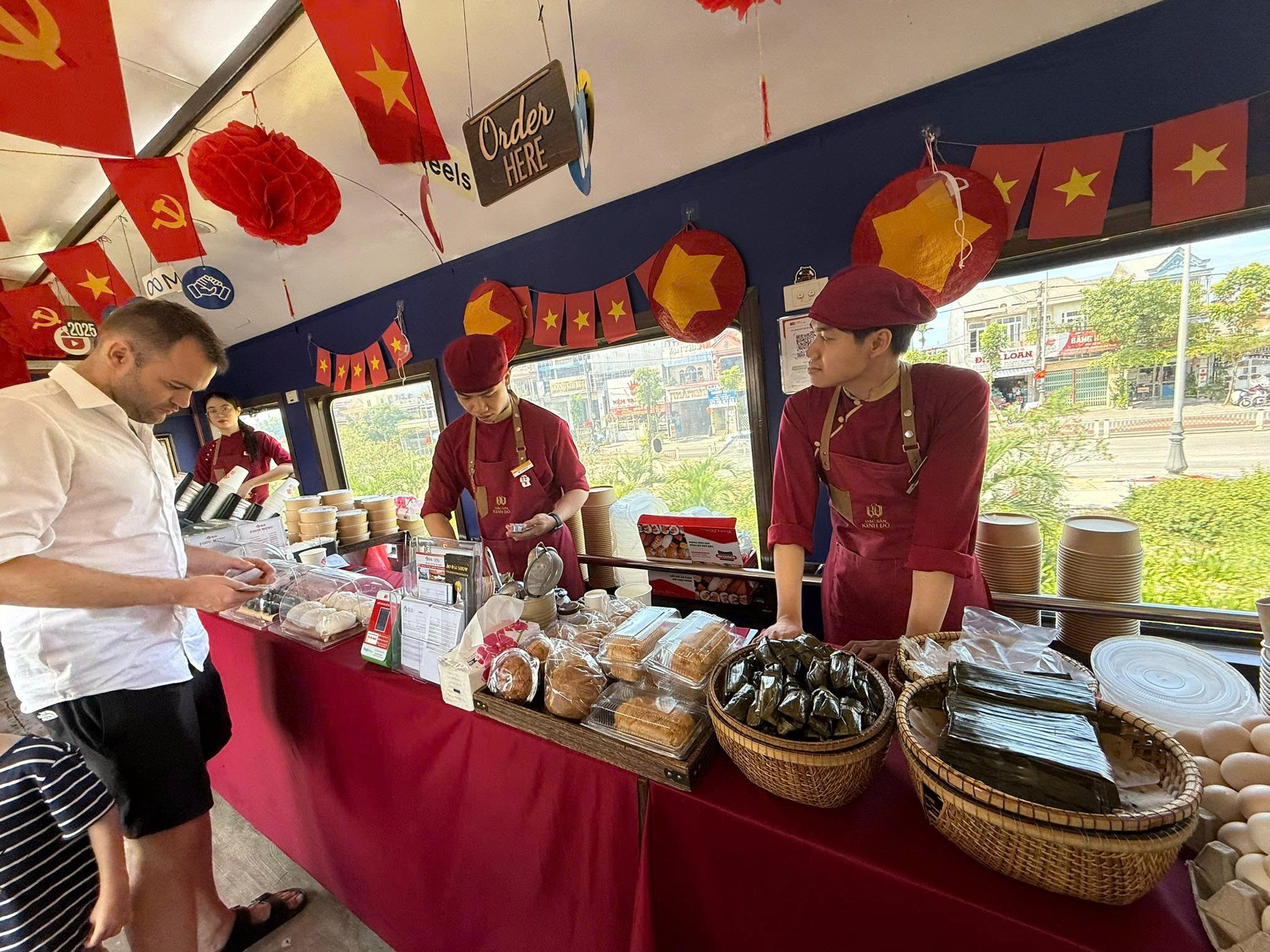
A man buying local snacks on the train from Hue to Hoi An — the car ride may be faster, but the train journey is very memorable.
Today you will be transferred to Hoi An over the scenic Hai Van Pass, probably the most scenic stretch of coastal road in Vietnam.
Visit the Marble Mountains which are a group of five limestone and marble hills in Ngu Hanh Son District. The mountains sheer porous limestone is punctuated by caves and tunnels which are fitted with spectacular Buddhist and Hindu shrines. Check in your hotel in Hoi An. The rest of the day is at leisure.
Tip: For your first night in Hoi An, why not take a leisurely walk or use the hotel's shuttle bus to visit Hoi An Ancient Town? Take in the charming atmosphere, indulge in some delicious local cuisine, and unwind at a riverside bar
Day 9: Hoi An Full Day City Tour
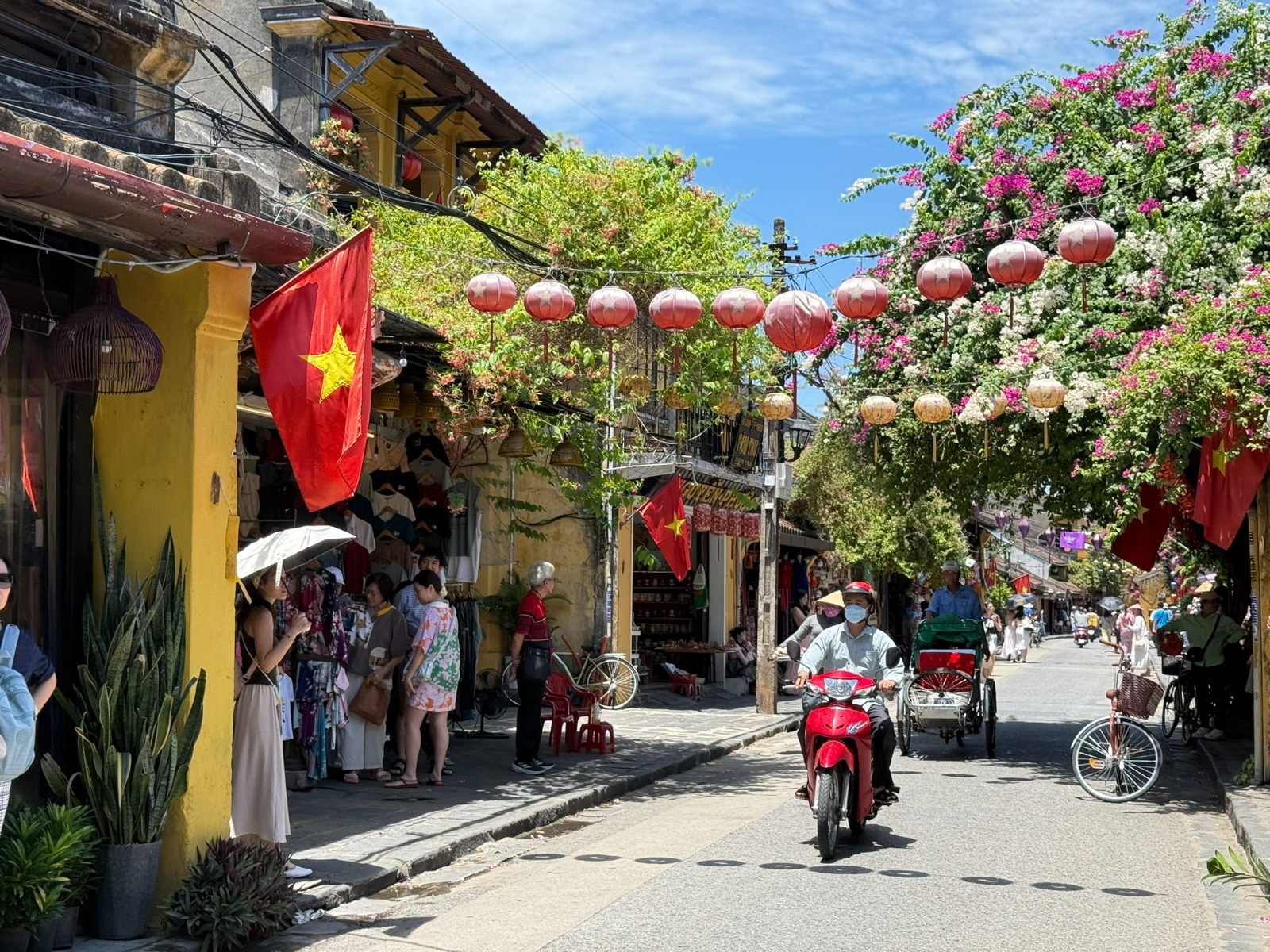
Once hailed as the best city on Earth — Hoi An still charms with lantern-lined streets, golden walls, and timeless, sun-soaked beauty.
Begin your story of Hoi An, a former port that welcomed Chinese, Dutch, French, Japanese, Portuguese and Arab merchants between the 16th to 18th centuries. Today it is renowned for its old quarter lined with two-storey Chinese shops, with elaborate carved wooden facades and terracotta tile roofs. And not forgetting expert tailor shops and delicious food! The tour includes stops at several famous landmarks. The first is Chua Ong Pagoda, dating back to 1653 and built in honor of the Chinese general Quan Cong, who is worshipped by many as a symbol of loyalty and justice. Next, pop into Phuc Kien Assembly Hall, to see the Jinshan Temple which is dedicated to the goddess of the sea and the protector of sailors.
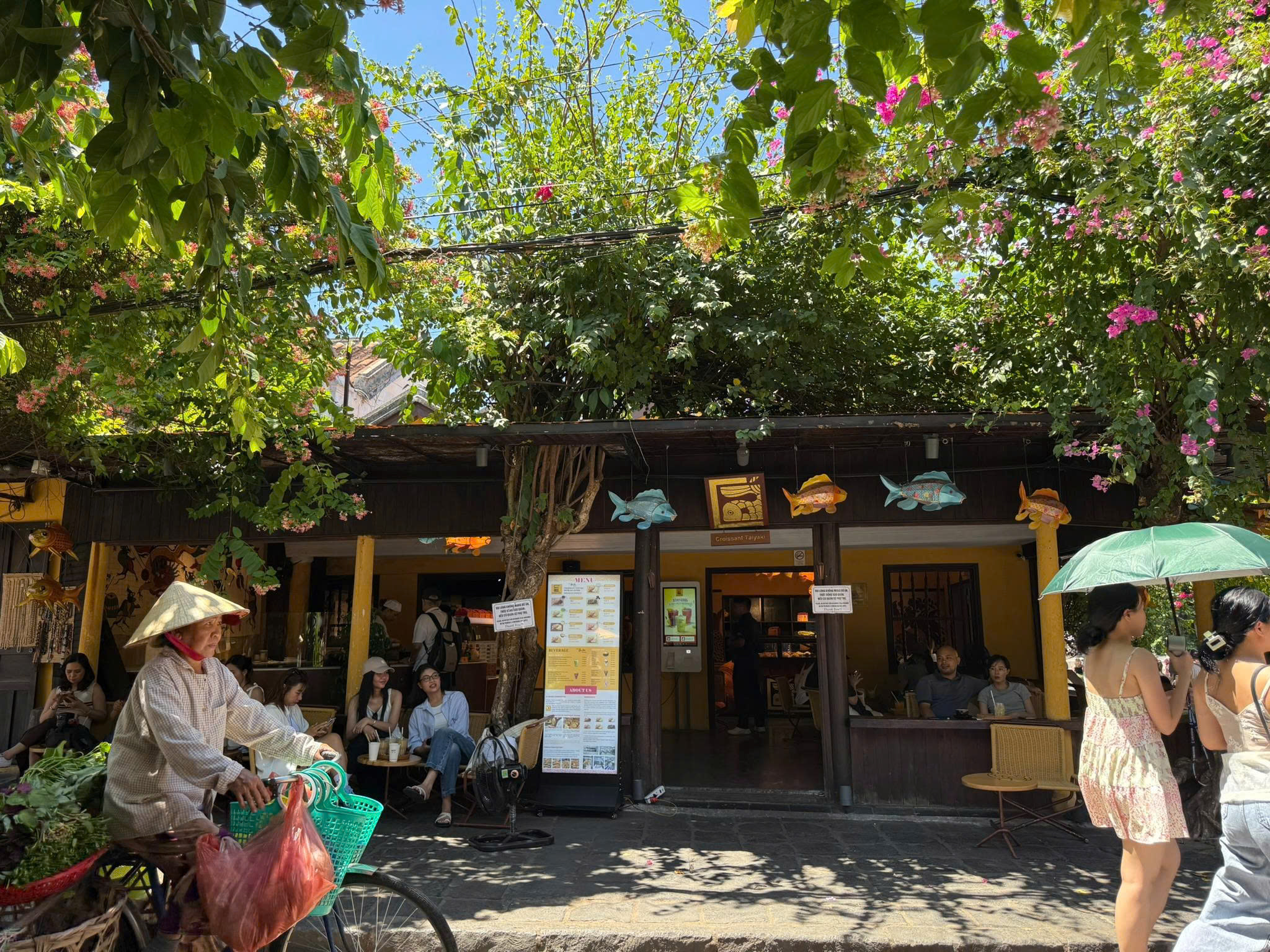
From cosy coffee houses and skilled tailor shops to gourmet restaurants and beloved local hangouts — Hoi An has it all.
From there it’s a short walk to Tam Ky House, a 200 year old ancestral house and finally, stroll across the often photographed 17th century covered bridge built by Japanese craftsmen. The beautifully built bridge doubles as a temple and is a major landmark of Hoi An.
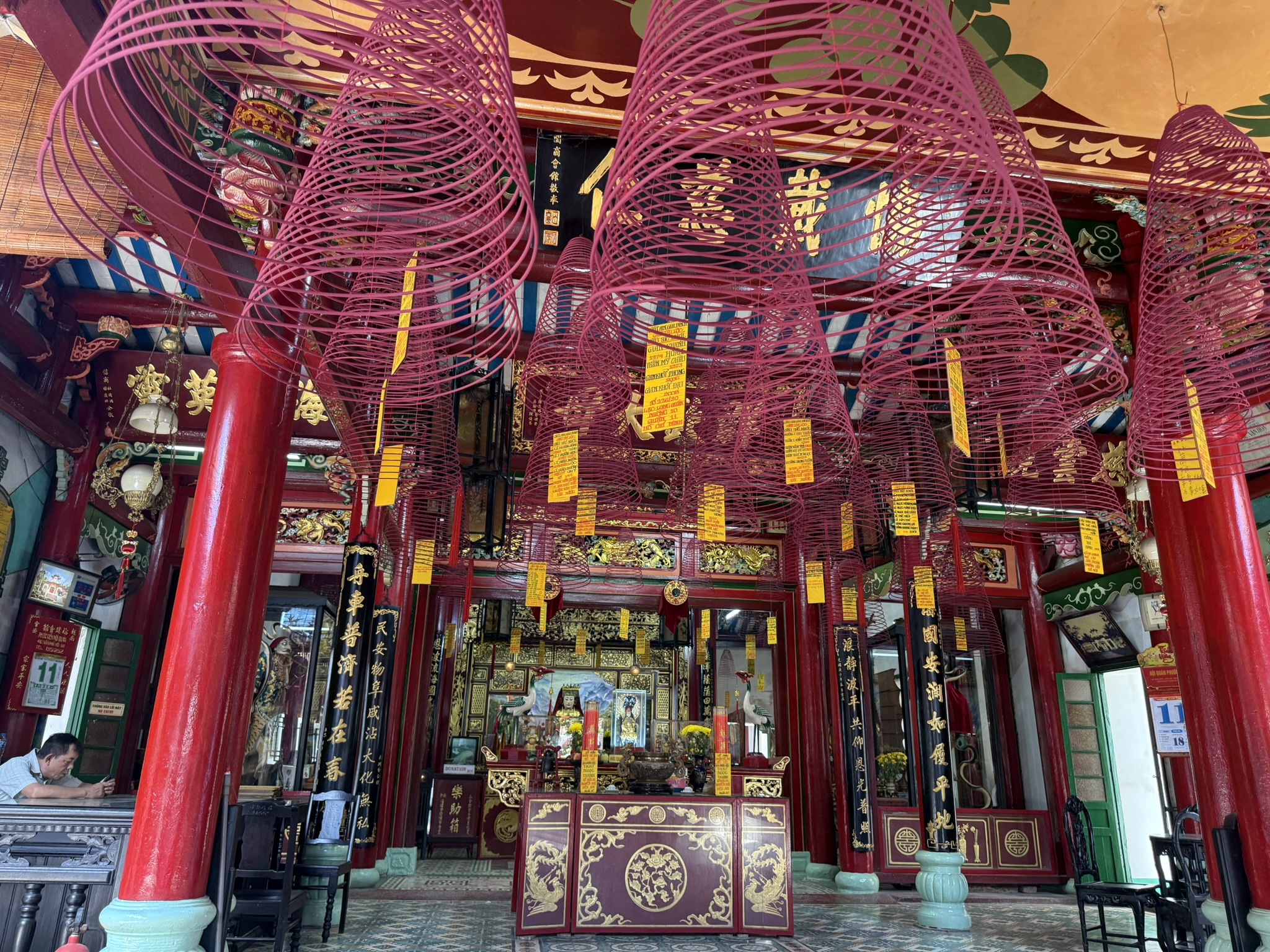
Phuc Kien Assembly Hall — a sophisticated architectural gem blending Chinese, Vietnamese, and Japanese influences into one harmonious masterpiece.
From there it’s a short walk to Tam Ky House, a 200 year old ancestral house and finally, stroll across the often photographed 17th century covered bridge built by Japanese craftsmen. The beautifully built bridge doubles as a temple and is a major landmark of Hoi An.
After a Vietnamese lunch, take a short boat trip down the river and visit a craft village where local artisans make ceramics. End your afternoon with a visit to the docks and see traditional fishing boats and the unusual round basket boats that ply the water.
Tip: If you find yourself with additional time in Hoi An, consider extending your stay for another night. You can unwind with a massage, shop locally, or take a tour to either My Son Sanctuary, an ancient Cham site, or the Golden Bridge, known for its unique design resembling being lifted by two giant hands.
Day 10: Hoi An - Free day at leisure
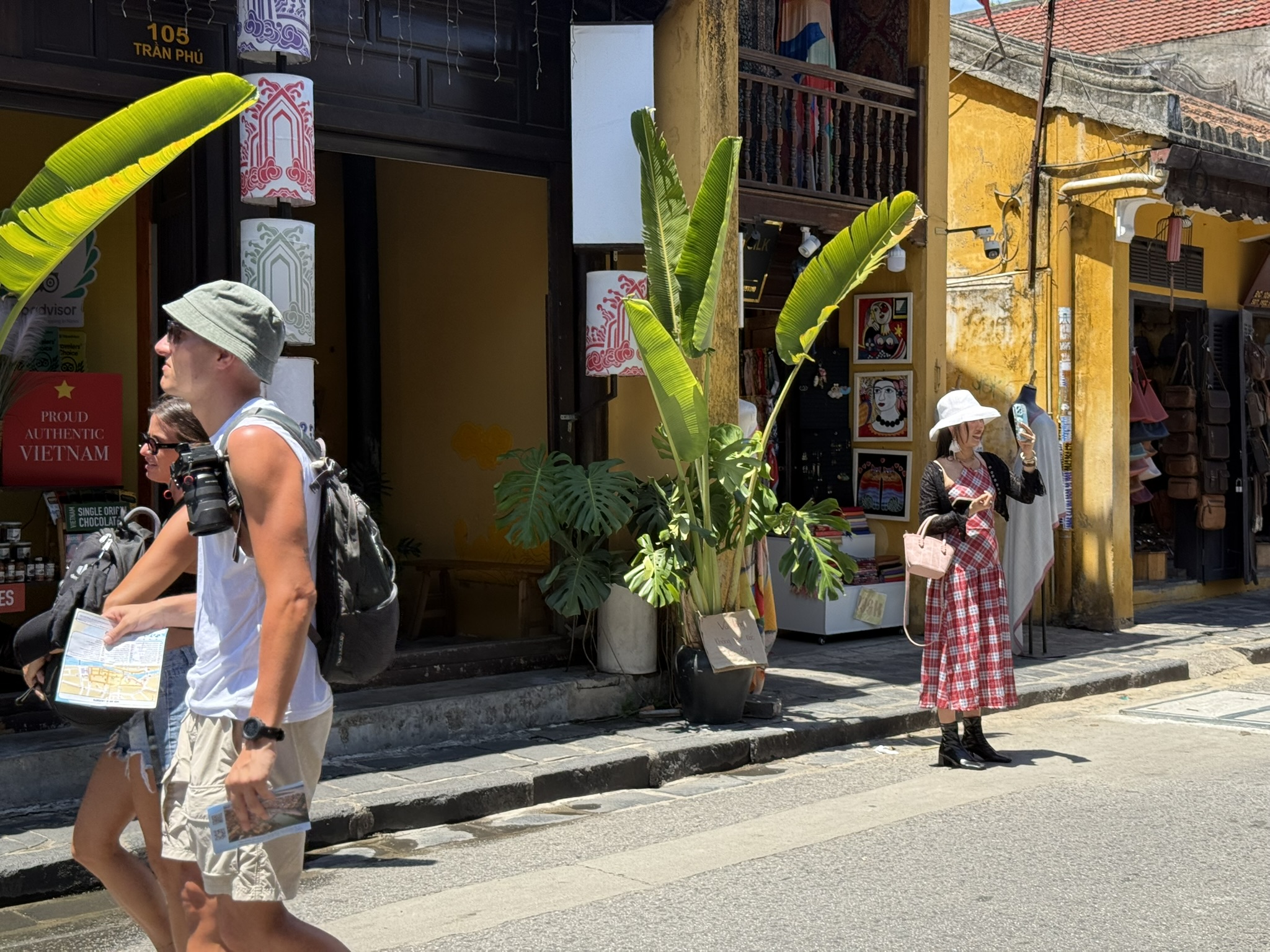
Strolling through the streets of Hoi An, you might catch the gentle scent of burning incense drifting from shopfronts – a quiet ritual that, according to local shopkeepers, brings good luck to the day ahead.
The day is at leisure in Hoi An – a chance to slow the pace and enjoy the town in your own way.You might begin with a gentle wander through the lantern-lined streets of the Old Town, stopping for a Vietnamese coffee or a fresh juice by the river. Browse the small art galleries, tailor shops and handicraft boutiques, or visit one of the historic merchant houses and temples tucked between the ochre façades.If you prefer something more relaxing, head to An Bang Beach for a few unhurried hours by the sea, or enjoy a spa treatment at your hotel. Food lovers may like to dip in and out of Hoi An’s cafés, sampling local specialities such as cao lau, white rose dumplings or banh mi.Nothing is scheduled today, so you’re free to explore at your own rhythm – whether that’s sightseeing, shopping, cycling through the countryside, or simply soaking up the atmosphere of one of Vietnam’s most charming towns.
Day 11: Hoi An - Ho Chi Minh City - evening street eat tour

Ho Chi Minh City : shimmering towers, winding streets, and the pulse of Vietnam’s biggest metropolis.
Your guide will meet you at your hotel and transfer you to the airport for your flight Upon arrival, your guide or drive will be waiting to transfer you to your hotel.

Eating snails, or "An Oc," is a beloved pastime in the country, and in Saigon, it has become a cultural staple.
In the evening, sink your teeth into the flavours of the South — from freshly grilled beef wrapped in peppery wild betel leaf to the classic Vietnamese bánh mì and even “rice paper pizza.” Snack on gỏi cuốn and local shellfish, a rustic Saigon favourite. Finish with one of the city’s most beloved dishes: broken rice. Once considered a poor man’s meal, it’s now a Saigon staple, served with roasted pork, pickles, and steamed egg cake drizzled with spring onion oil. After your feast, head to a local night spot for a drink and a chat as the city’s nocturnal energy comes to life.
Day 12: Cu Chi Tunnel and Saigon city tour

The Cu Chi Tunnels stretch over 250 kilometers (155 miles) and were built by hand over decades, becoming a crucial underground network used for living, supply routes, hospitals, and military operations during the Vietnam War.
Begin your journey to the Cu Chi Tunnels by departing at around 8am from your hotel and travel through the countryside which was once a stronghold of the Viet Cong. Upon arrival, watch a short video about what life was like for soldiers who lived there during the war. The cramped tunnels were central to a few of the war’s strategic operations, including the famous 1968 Tet Offensive, and they didn’t escape damage. American B52 bombers dropped hundreds of missiles leaving huge tell-tale craters behind. The tunnels served not only as living quarters, but as supply routes and hospitals for thousands of guerilla fighters. Many died there from malaria and other diseases, and a few were also born or married. Today they are viewed by some as a testimony to the Vietnamese people’s resiliency.

Reunification Palace - once a symbol of the South Vietnamese Government. It was here on 30 April 1975, that the war ended when a North Vietnamese Army tank crashed through its gates.
In the afternoon enjoy a half day walking tour of Saigon. Start your Story of Saigon with a visit to the War Remnants Museum. Here, your guide will tell the story of the city’s darkest and most tragic hours during the Vietnam War. The museum contains displays of military aircraft, weaponry and many photographs - some that are quite graphic in nature. Although many of Vietnam’s 90 million people are now too young to remember the war, its legacy is still felt strongly across Vietnamese society. Next, visit the Reunification Palace, once a symbol of the South Vietnamese Government. It was here on 30 April 1975, that the war ended when a North Vietnamese Army tank crashed through its gates. See the war room, the banquet hall and the presidential office with the unusual gifts which have been received. Then, continue to the Central Post Office, designed and constructed by the renowned architect Gustave Eiffel, and take a moment to send a postcard!

Notre Dame Cathedral — red bricks, twin towers, and timeless elegance amid the city’s bustle..
Just behind the post office is the Notre Dame Cathedral, an iconic Saigon landmark built in neo-Romanesque style by the French between 1863 and 1880. Today it’s a favoured backdrop for Vietnamese wedding photographs.Next, stroll down follow Dong Khoi Street, which figured prominently in Graham Greene’s famous Vietnam novel, The Quiet American, as Rue Catinat. The walk ends at the Saigon Opera House. From a bomb shelter to housing the parliamentary Lower House, the Opera House has had an interesting history.
Day 12: Mekong Delta Full Day Tour - Ben Tre The Coconut Kingdom

A morning in the Mekong.
A short 2 hour car transfer delivers you to the pristine natural beauty that is Ben Tre Province. Known as “Coconut Island,” many of its people still rely on tradition and centuries old methods of production. Visit Monkey Bridge, or "Cầu Khỉ" in Vietnamese, a traditional and picturesque type of bridge found in the Mekong Delta region of Vietnam. Next, we'll journey to a coconut farm, immersing ourselves in local life and witnessing first hand the coconut production process. You'll have the opportunity to learn about the making of coconut products and experience the art of crafting sleeping mats alongside the locals.

The Mekong’s morning rhythm — paddles, produce, and a river bursting with life.
Following this, we'll embark on a tranquil rowing boat ride through the narrow coconut canals, enveloped by lush greenery, before continuing our exploration by motor cart through charming villages and scenic landscapes, providing an authentic glimpse into local culture and fostering interactions with welcoming locals. To conclude our adventure, we'll enjoy a delectable lunch at a local home, savouring traditional Vietnamese dishes crafted from fresh, locally-sourced ingredients. You will then be transferred back to your hotel.
Day 14: Departing Ho Chi Minh city
Your guide will meet you at your hotel and transfer you to the airport for your flight.


.jpg)


.jpg)
.jpg)
